As Plymouth navigates the peak of summer, local gardeners are receiving guidance on how to best care for their plants during periods of intense heat. The advice centers on two critical areas: the timing of watering and methods to reduce heat-induced stress on vegetation.
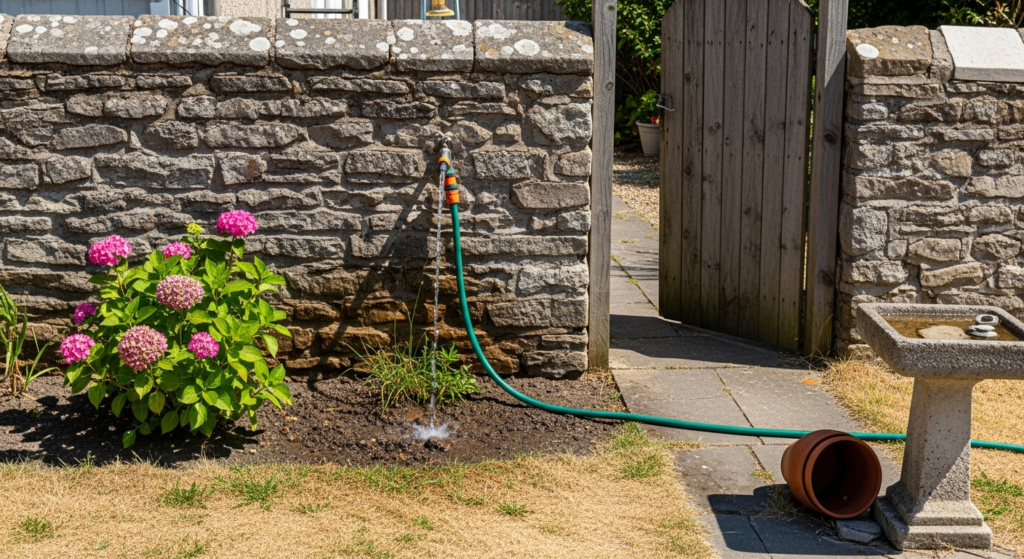
Experts emphasize that watering plants during the hottest parts of the day can be counterproductive. While plants require ample hydration in summer, applying water when temperatures are highest can lead to rapid evaporation before the roots can absorb it. Furthermore, water droplets on leaves can act like tiny magnifying glasses, potentially scorching the foliage when exposed to direct sunlight. This can exacerbate the stress already placed on plants by the heat.
A key recommendation is to water plants in the early morning or late evening. These cooler periods allow water to penetrate the soil more effectively and reach the root systems. Morning watering also gives plants a chance to hydrate before the day’s heat sets in, while evening watering can help reduce the soil temperature overnight. The type of watering system also plays a role; drip irrigation or soaker hoses deliver water directly to the root zone, minimizing waste and leaf exposure.
Beyond watering, strategies to mitigate plant stress are also being highlighted. Providing shade for sensitive plants during the hottest hours of the day can offer significant relief. This can be achieved using shade cloths, umbrellas, or by strategically planting taller, more resilient species to provide natural cover for smaller, more delicate ones. Mulching around the base of plants is another vital practice. A layer of organic mulch, such as wood chips, straw, or compost, helps retain soil moisture, suppresses weeds that compete for water, and keeps the soil temperature more stable.
Gardeners are also advised to be mindful of signs of heat stress in their plants. These can include wilting, yellowing leaves, or stunted growth. Addressing these symptoms promptly by adjusting watering schedules or providing shade can help plants recover. For some species, it may be beneficial to temporarily cease fertilizing during extreme heat waves, as fertilizer can encourage new growth that is more susceptible to heat damage.
Seasonal tasks for July also include monitoring for pests, which can sometimes thrive in stressed plant environments, and deadheading spent flowers to encourage continued blooming and redirect the plant’s energy into growth and survival rather than seed production. Planning for succession planting, where appropriate for the region’s growing zone, can also be a focus, though the immediate priority remains managing existing plants through the current heat.
Local nurseries and horticultural extension services often provide region-specific advice tailored to the particular climate and common plant varieties found in the area. These resources can offer detailed guidance on drought-tolerant species suitable for the Plymouth climate and best practices for soil amendment to improve water retention.