International markets and business reporting confirmed a significant escalation in U.S.-Iran hostilities around Iranian ports and the Strait of Hormuz during the July 15 news cycle. This development has directly impacted global energy markets, with oil prices climbing to a one-month high as concerns mount over the security of shipping lanes critical to the world’s crude oil supply.
The renewed friction, characterized by the U.S. reimposing a blockade on Iran, stems from recent incidents involving Iranian ports and the strategic waterway. While details regarding specific tactical actions or casualties remain unconfirmed and outside the scope of this report, the broader implications for international trade and energy stability are clear.
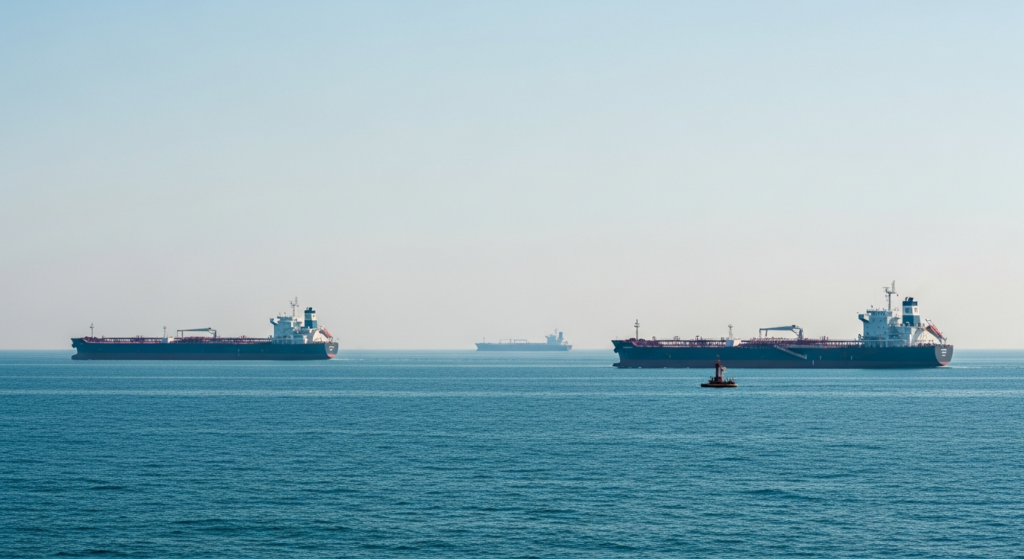
The Strait of Hormuz, a narrow chokepoint situated between the Persian Gulf and the Gulf of Oman, serves as a vital artery for global energy transport. Approximately one-fifth of the world’s total petroleum liquids supply passes through this waterway annually. Disruptions or perceived threats to this flow invariably send ripples through the global economy, affecting everything from gasoline prices at the pump to the cost of manufactured goods.
Energy market analysts have closely monitored the situation, noting that the increased risk associated with transiting the Strait has already translated into higher crude oil futures. This price adjustment reflects the market’s anticipation of potential supply constraints and the increased operational costs and insurance premiums for vessels navigating the region.
The U.S. action to reinstate a blockade signals a heightened posture in the ongoing geopolitical tensions with Iran. Such measures are typically intended to exert pressure and deter further hostile actions. However, they also carry the inherent risk of unintended consequences, including broader economic impacts and potential for wider regional instability.
For the global economy, the events underscore the interconnectedness of geopolitical stability and energy markets. Fluctuations in the Strait of Hormuz, often influenced by regional political dynamics, can have immediate and far-reaching effects on energy prices and availability worldwide. The current situation highlights the delicate balance required to maintain open and secure transit for essential commodities.
Why it matters in Plymouth
The volatility in global oil prices and shipping risks stemming from the Strait of Hormuz escalation can have tangible effects on residents and businesses in Plymouth. Fluctuations in energy costs directly influence transportation expenses for local commuters and commercial operations, including those associated with Plymouth-Canton Community Schools and employers like Adient US LLC. Furthermore, the broader economic impact of rising energy prices can affect the cost of goods and services throughout the region, influencing consumer spending and the operational budgets of businesses in Plymouth.