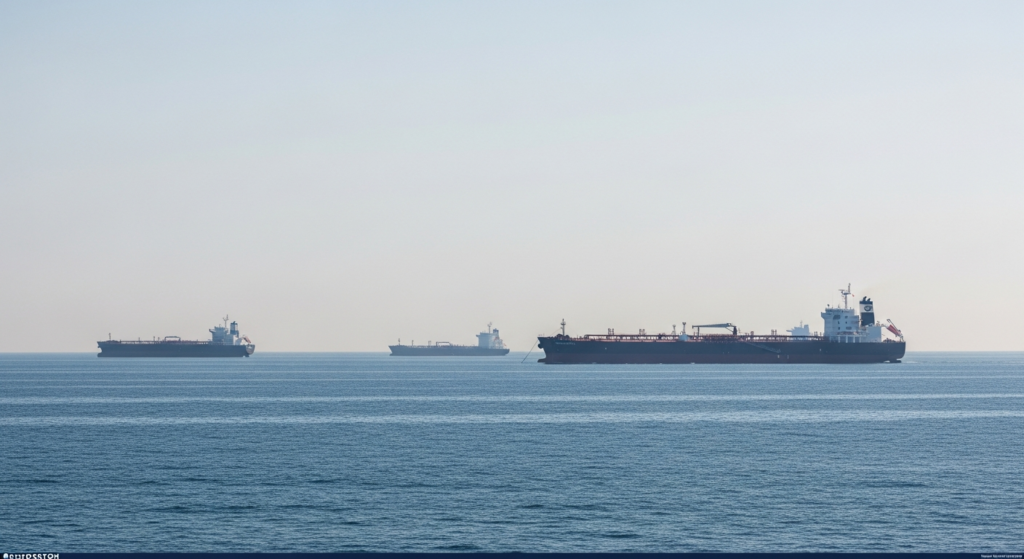
International reporting on July 15 confirmed renewed U.S.-Iran hostilities centered on Iranian ports and the Strait of Hormuz. The U.S. has reimposed a blockade on Iran, a move directly linked to recent maritime incidents in the critical waterway. This development has sent ripples through global energy markets, with oil prices climbing to a one-month high as traders assess the impact on crude flows.
The Strait of Hormuz, a narrow passage between the Persian Gulf and the Gulf of Oman, is one of the world’s most vital shipping lanes, particularly for crude oil. Approximately one-fifth of global oil consumption passes through this chokepoint. The renewed conflict and subsequent blockade have intensified concerns about the security of shipping in the region, potentially disrupting supply chains and impacting energy availability worldwide.
Independent international and business news outlets reported the escalation, focusing on the confirmed conflict, shipping, and energy-risk context. The reporting avoided unverified casualty, targeting, or tactical claims, adhering to a strict factual basis. The U.S. action follows a period of heightened tensions, with the reimposition of the blockade signaling a significant shift in maritime security operations in the Persian Gulf.
The energy market has responded swiftly to the news. Brent crude futures, a global benchmark, saw a notable increase, reflecting the market’s sensitivity to disruptions in this key oil-producing and transit region. Analysts suggest that sustained conflict or prolonged blockades could lead to further price volatility and potentially impact global economic stability. The situation underscores the delicate balance of international relations and its direct influence on the global economy.
This escalation in the Strait of Hormuz is a stark reminder of the geopolitical factors that can rapidly influence commodity markets. The U.S. military’s assertion of control over maritime traffic in the vicinity of Iranian ports aims to counter perceived threats, but the immediate consequence has been a tightening of the oil market and a renewed focus on the strategic importance of this waterway. The implications for international trade and energy security are significant, with observers closely monitoring further developments.
Why it matters in Plymouth:
While Plymouth is geographically distant from the Strait of Hormuz, the global energy market’s sensitivity to such geopolitical events has tangible local consequences. Fluctuations in global oil prices can influence gasoline costs at Plymouth stations, impacting household budgets and the operational expenses for local businesses, including those reliant on transportation, such as Plymouth-Canton Community Schools’ bus fleet or delivery services for employers like Henry Ford Medical Center — Plymouth. Furthermore, broader economic instability stemming from international conflicts can affect investment and employment across various sectors, including the automotive industry where companies like Adient US LLC and Brembo North America operate, potentially influencing their supply chains and market demand.