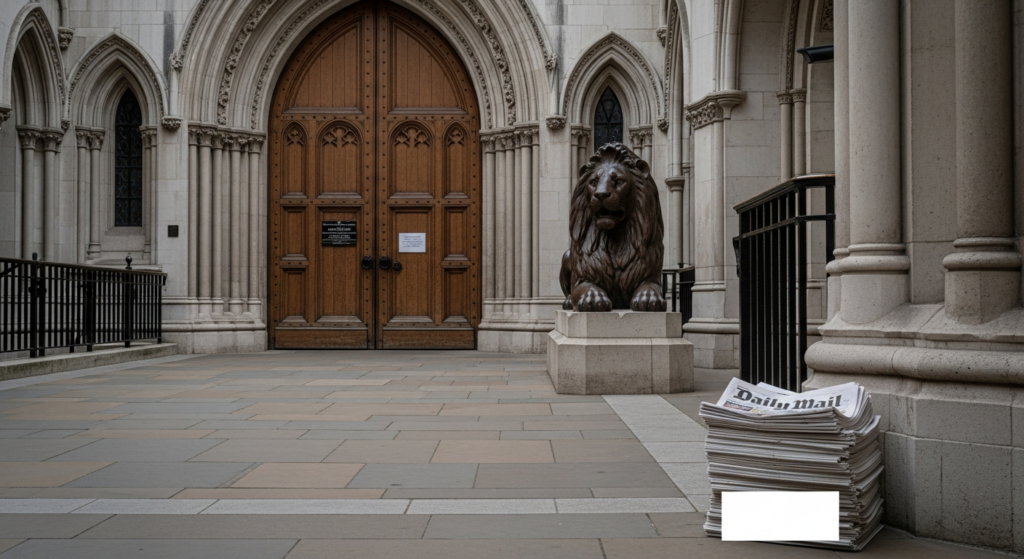
A British court has dismissed the remaining claims in a privacy lawsuit filed by Prince Harry against Associated Newspapers Limited (ANL), the publisher. The ruling marks a setback for the Duke of Sussex in his protracted legal efforts concerning alleged unlawful information-gathering practices.
The court’s decision means that ANL will not face further legal action from Prince Harry regarding these specific allegations. The publisher has consistently denied wrongdoing in its reporting and its methods.
This legal action is one of several Prince Harry has pursued against various tabloid publishers in the United Kingdom. The cases have often centered on claims that the media outlets engaged in phone hacking and other intrusive methods to obtain stories about him and other public figures.
While the specifics of the court’s reasoning for dismissing the remaining claims have not been fully detailed in initial reports, the outcome follows a pattern of legal challenges where the Duke of Sussex has sought accountability from media organizations for their coverage and alleged practices.
The legal proceedings have drawn significant attention, highlighting the ongoing tension between public figures and the press regarding privacy rights and journalistic conduct. The dismissal of these claims represents a definitive conclusion to this particular lawsuit against ANL, though Prince Harry remains involved in other legal disputes.
This development is part of a broader narrative of media scrutiny and legal challenges faced by members of the royal family. The outcomes of such cases can influence future reporting standards and legal precedents concerning privacy and media intrusion in the United Kingdom.
Why it matters in Plymouth:
While this legal dispute unfolded in the United Kingdom, its resolution touches upon broader themes of privacy, media accountability, and the legal recourse available to individuals against powerful publishing entities. For residents of Plymouth, understanding these legal outcomes can provide context for discussions about media ethics and the public’s right to privacy. The principles debated in these high-profile cases, though distant, resonate with local concerns about how information is gathered and disseminated. The legal framework that governs these interactions, even when applied to international figures, shapes the broader environment in which all media operates, including local news outlets that serve communities like Plymouth. The ongoing dialogue about the balance between public interest and personal privacy remains a relevant consideration for citizens and journalists alike.