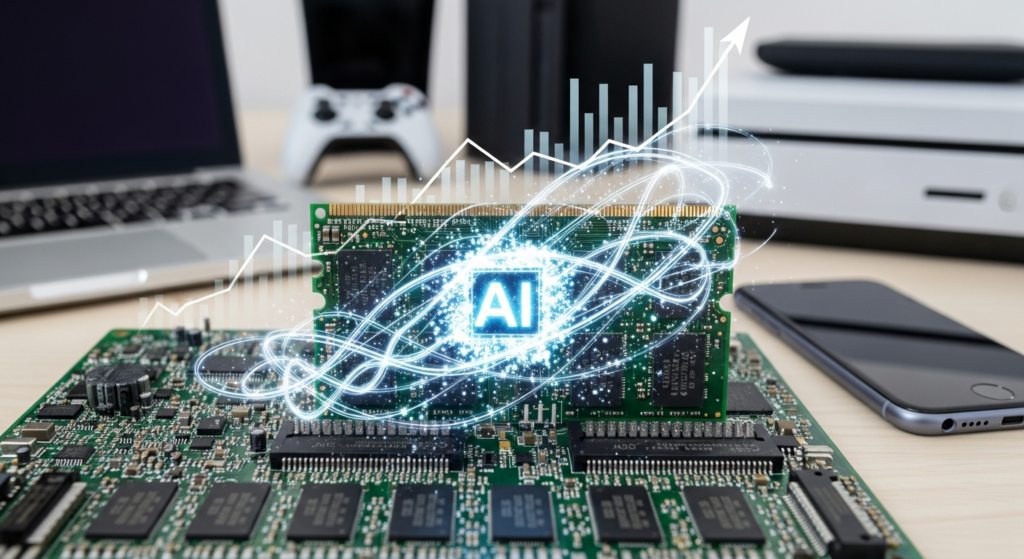
The burgeoning demand for artificial intelligence infrastructure is creating a ripple effect through the global technology supply chain, potentially leading to higher prices for consumer electronics. Experts in technology and business reporting have highlighted a growing strain on memory and storage chip supplies, directly linked to the intensive computational needs of AI.
This increased demand for specialized components, particularly high-bandwidth memory (HBM) and advanced storage solutions, is diverting resources and manufacturing capacity. These are the same types of components found in a wide array of consumer devices, including personal computers, gaming consoles, and smartphones. As AI development accelerates, the competition for these limited resources intensifies, creating a bottleneck that can impact availability and cost for the broader consumer market.
Technology analysts suggest that manufacturers of consumer devices and gaming consoles may face increased procurement costs for essential memory and storage chips. These higher input costs are often passed on to consumers, resulting in elevated retail prices for new products. The pressure is particularly acute for devices that benefit most from advanced processing power and large memory capacities, such as high-end gaming PCs and next-generation consoles.
While the immediate impact may be felt most keenly in the premium segments of the market, the effects could eventually trickle down to more mainstream devices. Supply chain experts are closely monitoring the situation, as disruptions in chip manufacturing or allocation can have far-reaching consequences. The intricate nature of semiconductor production, involving complex fabrication processes and global logistics, means that even minor imbalances can lead to significant price adjustments.
This trend underscores the interconnectedness of the technology industry. The rapid advancements in AI, while promising significant innovation, also present challenges in ensuring equitable access to the underlying hardware. The need for robust and scalable memory solutions for AI is now a primary driver of market dynamics, influencing the availability and affordability of everyday technology.
Consumers looking to purchase new electronics may find themselves navigating a market where prices are influenced by factors far beyond traditional supply and demand for the finished product. The underlying components, especially advanced memory chips, are becoming a critical determinant of final cost. This situation is not unique to any single region but reflects a global challenge in balancing the insatiable appetite for AI processing power with the existing manufacturing capabilities for essential semiconductor components.
For residents in Plymouth considering new technology purchases, this dynamic suggests a need for careful comparison shopping. While specific price increases are difficult to predict and vary by product and retailer, the underlying trend indicates a potential for higher costs across various consumer electronics categories in the coming months. The strain on memory chip supply chains, driven by AI development, is a significant factor that could influence budgets for electronics upgrades.
Why it matters in Plymouth:
The global demand for AI-driven memory chips is creating a complex economic environment that can influence consumer spending on technology. For residents of Plymouth, this means that the cost of personal computers, gaming consoles, and other electronic devices could be affected by these supply chain pressures. Local retailers and consumers alike may observe price adjustments as manufacturers grapple with increased component costs. This situation highlights how global technological trends, such as the rapid expansion of artificial intelligence, can have tangible effects on household budgets and purchasing decisions within the Plymouth community. Understanding these broader market forces is essential for making informed decisions when acquiring new electronic devices, whether for work, education, or entertainment.