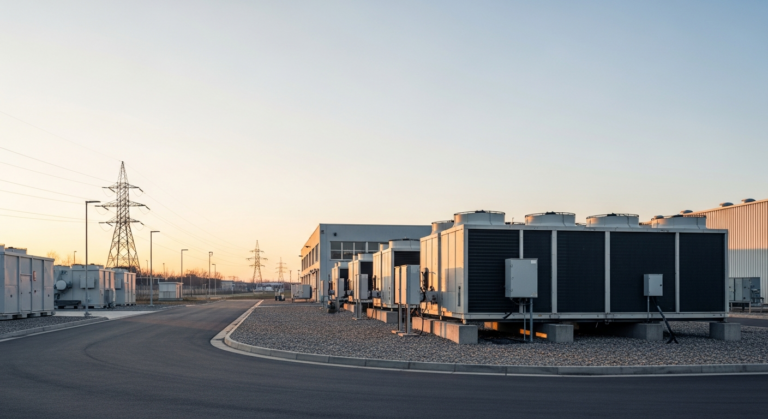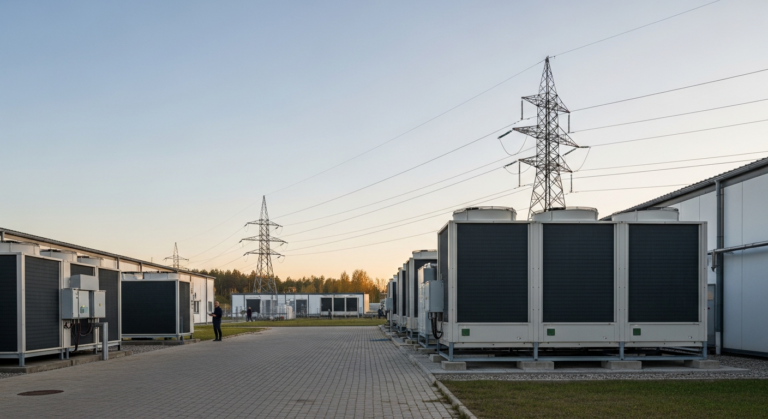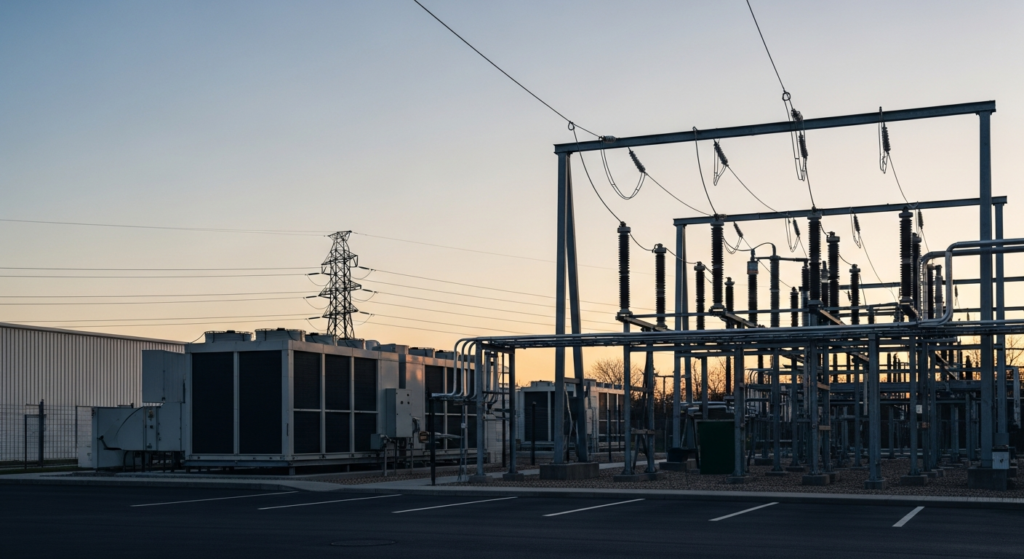
The current business and technology landscape is increasingly dominated by the demands of artificial intelligence infrastructure. While the development of AI chips has been a focal point in recent years, the conversation is now shifting towards the critical bottleneck: power. The immense energy requirements of AI data centers are placing unprecedented strain on existing power grids, forcing a re-evaluation of energy planning and resource allocation.
This pivot in focus underscores a growing concern among businesses and infrastructure planners. The sheer volume of electricity needed to power the sophisticated hardware that underpins AI operations is becoming a primary constraint on expansion and deployment. Companies are finding that securing adequate and reliable power sources is now as crucial, if not more so, than acquiring the latest processing units.
Data centers, the physical hubs for AI computation, are voracious consumers of energy. As these facilities multiply and grow in scale, their collective demand is testing the limits of utility company capacities. This has led to increased scrutiny of grid equipment and the necessity for substantial upgrades to accommodate the burgeoning needs of the AI sector. Power companies are now central to the AI infrastructure discussion, tasked with ensuring that the energy supply can meet the escalating demand without compromising grid stability.
The implications for businesses are significant. Capital allocation is being redirected to address hardware capacity and energy needs. This includes investments in more efficient cooling systems, backup power solutions, and potentially, the development of localized power generation to supplement grid supply. The long-term viability of AI-driven growth hinges on the ability to secure and manage these critical resources.
This evolving situation highlights a complex interplay between technological advancement and fundamental infrastructure limitations. The race to develop and deploy advanced AI capabilities is now intrinsically linked to the capacity of our energy systems to support them. The focus has moved from the silicon chip to the electrical current, emphasizing the foundational role of power in the future of artificial intelligence.