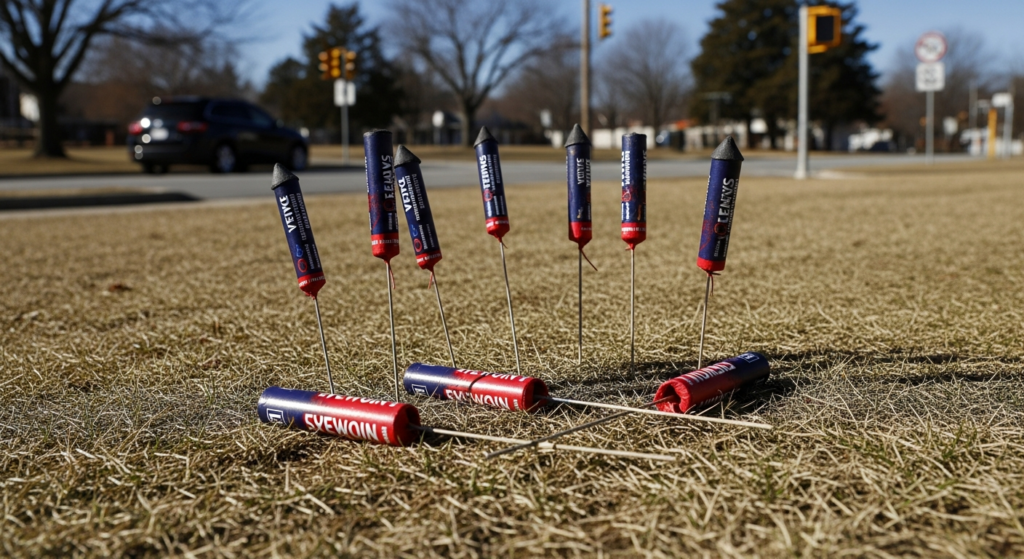
As the July 4th holiday weekend approaches, public safety officials are issuing nationwide warnings about the inherent risks associated with consumer fireworks. The advisories focus on preventing burns and injuries, while also drawing attention to potential air quality degradation and increased wildfire danger.
Reports indicate a dual focus in safety messaging. One set of warnings emphasizes the direct physical dangers of fireworks, urging caution and adherence to safe-handling practices to prevent burns and other injuries. This includes advice on keeping a safe distance, never relighting malfunctioning fireworks, and having water readily available.
A separate, but related, concern highlighted by safety experts is the impact of fireworks on air quality. The combustion of fireworks releases particulate matter and other pollutants into the atmosphere, which can lead to temporary but significant declines in air quality, particularly in areas with stagnant air conditions. This can pose risks to individuals with respiratory conditions, such as asthma.
Furthermore, the dry conditions prevalent in many regions during the summer months amplify the wildfire risk posed by fireworks. Uncontrolled sparks and embers can easily ignite dry vegetation, leading to potentially devastating fires. Fire officials are urging extreme caution and adherence to any local fire restrictions that may be in place.
These national advisories serve as a broad reminder of the potential dangers associated with consumer fireworks. While the focus is on general public safety, individuals are encouraged to be aware of their local conditions and regulations regarding fireworks use. The emphasis is on preventing accidents and mitigating environmental impacts during the holiday celebrations.