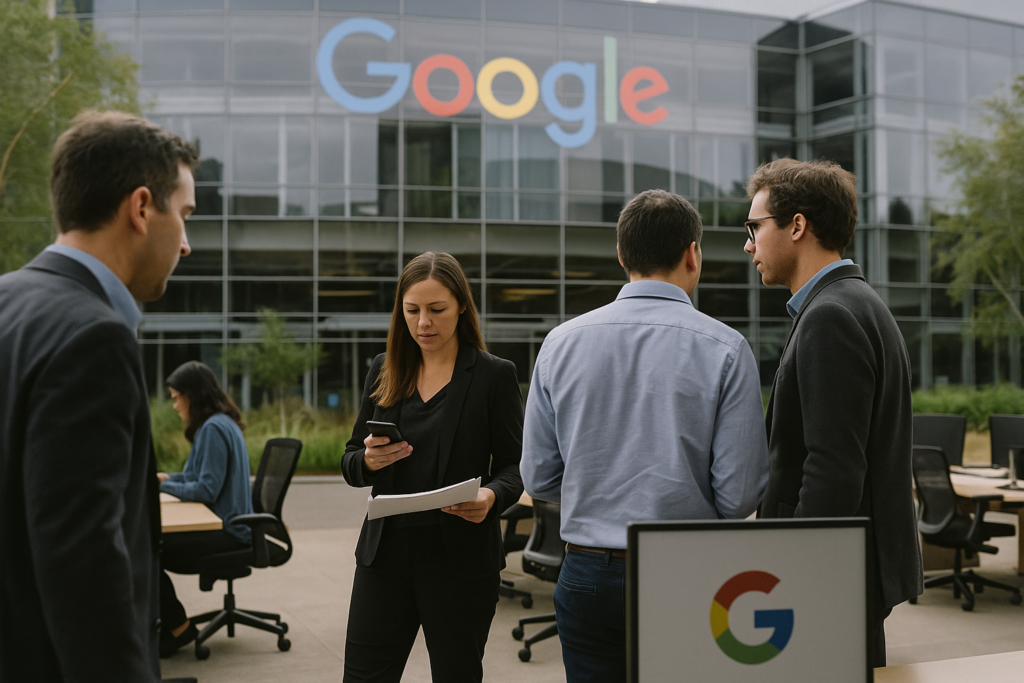
Google has reached a settlement in a significant lawsuit concerning alleged patent infringement related to artificial intelligence (AI) chip technology. The settlement, valued at $1.7 billion, addresses claims brought forth by computer scientist Joseph Bates and the tech firm Singular. This resolution is expected to alleviate some of the legal pressures surrounding Google’s ongoing development of custom AI hardware.
The lawsuit, which has attracted considerable attention in the tech community, revolved around the assertion that Google had infringed upon patents held by Bates and Singular in their pursuit of advanced AI chip designs. The implications of this case extend beyond the immediate financial settlement; it highlights the competitive landscape of AI technology and the importance of intellectual property in fostering innovation.
Legal experts suggest that this settlement may signal a shift in how tech companies approach patent disputes, particularly in the rapidly evolving field of AI. With the increasing reliance on AI systems across various sectors, the stakes have never been higher. Companies are now more than ever focused on securing their intellectual property to maintain a competitive edge.
The resolution of this lawsuit removes a significant legal hurdle for Google, allowing the company to concentrate on its AI initiatives without the overhang of litigation. This could potentially accelerate the development and deployment of new AI technologies that rely on custom chip designs, which are crucial for enhancing the performance and efficiency of AI applications.
The financial implications of the settlement are also noteworthy. A $1.7 billion payout is substantial, reflecting the high value placed on intellectual property in the tech industry. This case serves as a reminder of the financial risks associated with patent litigation, particularly for companies operating in cutting-edge fields like AI.
In Plymouth, the settlement resonates with local stakeholders, particularly those involved in the tech and healthcare sectors. As major employers such as Henry Ford Medical Center and Fraunhofer USA continue to innovate, the advancements in AI technology could have a direct impact on local industries. Enhanced AI capabilities may improve healthcare services, streamline operations, and foster new research initiatives.
As the tech landscape evolves, the implications of this settlement may extend beyond Google. Other companies in the AI space will likely monitor the outcomes of this case closely, as it could influence their own strategies regarding patent protection and technological development.
In conclusion, Google’s settlement in the AI chip patent lawsuit not only resolves a significant legal challenge but also sets a precedent for future patent disputes in the tech industry. As companies navigate the complexities of intellectual property in the age of AI, the outcomes of such cases will be pivotal in shaping the future of technology and innovation.