As summer progresses, homeowners are advised to focus on several key areas of home maintenance to ensure comfort, safety, and the longevity of their properties. July is a critical month for addressing tasks related to heating, ventilation, and air conditioning (HVAC) systems, preparing for potential storms, and tackling small repairs that can prevent larger problems.
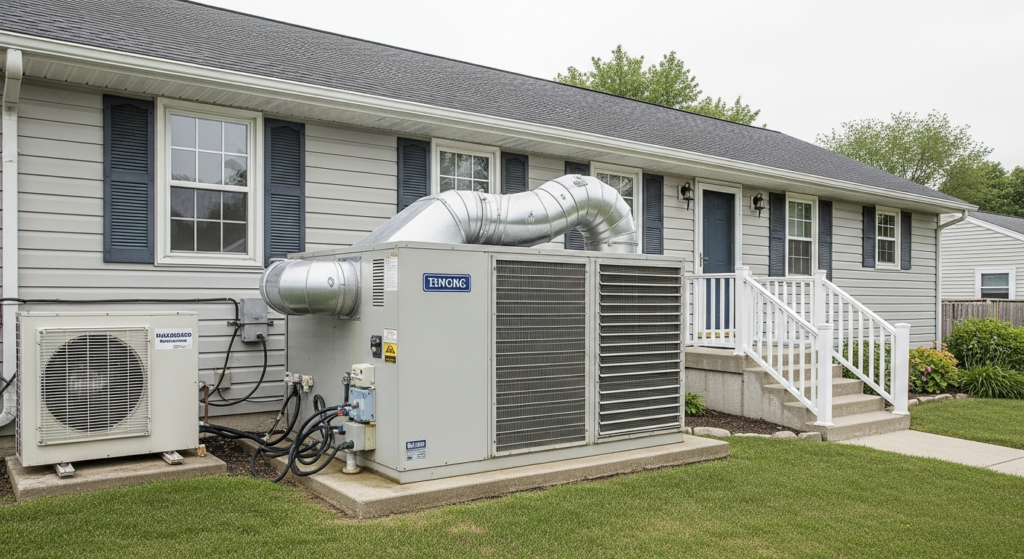
HVAC systems are working at peak capacity during the summer months. Regular maintenance can prevent costly breakdowns and ensure efficient operation. This includes changing air filters, which is a simple yet crucial step that improves air quality and reduces strain on the system. Checking refrigerant levels and ensuring the outdoor unit is clear of debris are also recommended tasks. Professional servicing, if not already completed, is often suggested for a thorough inspection of the entire system, including ductwork for leaks.
Exterior inspections are another significant component of July home maintenance. This involves checking the roof for damaged or missing shingles, inspecting gutters and downspouts to ensure they are clear and properly directing water away from the foundation, and examining the condition of siding and paint. Sealing any cracks or gaps in the exterior can prevent water intrusion and deter pests.
Storm preparedness is also a recurring theme in summer maintenance advice. While Plymouth is not typically in the path of major hurricanes, severe thunderstorms can occur, bringing high winds, heavy rain, and potential hail. Homeowners are encouraged to secure outdoor furniture, check window and door seals, and ensure trees and large branches near the house are trimmed to minimize risk. Clearing storm drains and ensuring proper yard drainage can prevent localized flooding.
Addressing small repairs promptly is a practical approach to home upkeep. This can include fixing leaky faucets, repairing damaged drywall, tightening loose hardware, or repainting areas showing wear. These minor tasks not only improve the aesthetic appeal of a home but also prevent minor issues from becoming more significant and expensive problems down the line. For instance, a small roof leak, if ignored, can lead to extensive water damage and mold growth.
Home maintenance guides often provide checklists that can be adapted to local conditions. While the core tasks remain consistent, specific climate patterns, common pest issues, or local utility considerations can influence the priority and nature of certain maintenance activities. For example, understanding local rainfall patterns can help homeowners optimize their yard drainage strategies.