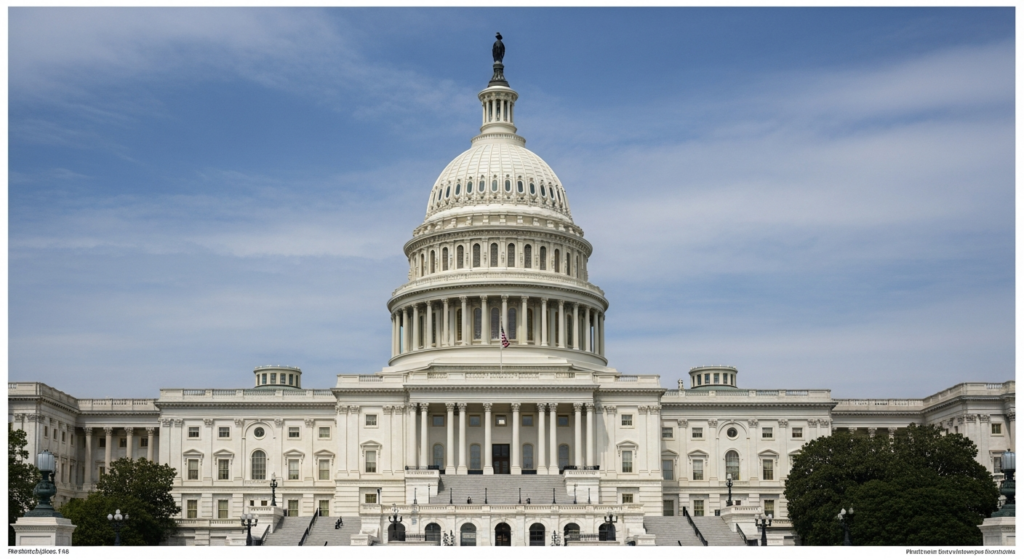
The U.S. House of Representatives has passed legislation aimed at enhancing online safety for children, a move that will now send the bill to the Senate for further debate and potential negotiation. The proposed law requires online platforms to institute safeguards designed to protect minors from harmful content and interactions.
This development marks a significant step in the ongoing federal effort to regulate the digital environment for young users. The bill’s passage in the House sets the stage for a potentially contentious review in the Senate, where lawmakers have indicated a preference for even more stringent standards for technology companies.
The specifics of the safeguards mandated by the bill are expected to address issues such as data privacy, exposure to inappropriate content, and the design of user interfaces that may encourage excessive use or engagement by minors. Online platforms, which include social media sites, gaming services, and other interactive digital services, will be tasked with implementing these protections.
While the House has advanced its version of online safety for youth, the Senate’s approach is anticipated to involve a deeper examination of the responsibilities and liabilities of these platforms. Discussions are likely to focus on how to effectively enforce these new regulations and what penalties might be imposed for non-compliance.
The legislative push comes amid growing concerns from parents, educators, and child welfare advocates regarding the impact of the internet and social media on the mental health and development of children. Reports from various organizations have highlighted the potential risks associated with unsupervised or inadequately protected online activity for young people.
The bill’s journey through Congress reflects a broader national conversation about the role of technology in society and the need for legislative action to ensure digital spaces are safe and beneficial for all users, particularly the most vulnerable.
As the legislation moves to the Senate, stakeholders on all sides are preparing for further deliberations. The outcome of these Senate negotiations could significantly shape the future of online child protection policies at the federal level.