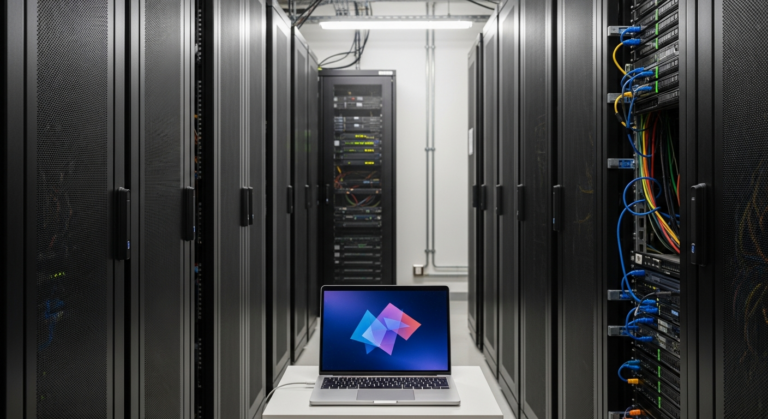
Meta plans to commence manufacturing of its own artificial intelligence chip in September, a move that signals a significant step in its ongoing effort to build custom hardware for its training and inference accelerator program. This initiative is designed to enhance the company’s existing computing capabilities, particularly by augmenting the performance of graphics processing units (GPUs).
The development is part of a broader strategy by Meta to scale its AI infrastructure. The company aims to substantially increase its computing capacity, targeting a total of 14 gigawatts by 2027. This expansion reflects the escalating demand for computational resources required to develop and deploy advanced AI models.
The production of custom AI chips by major technology firms like Meta is becoming a critical component of the global AI infrastructure buildout. These chips are optimized for specific AI workloads, offering potential advantages in efficiency and performance over general-purpose processors. The trend underscores a significant investment in hardware development by companies seeking to maintain a competitive edge in the rapidly evolving field of artificial intelligence.
This strategic move by Meta is expected to have ripple effects across various sectors. Technology employers involved in AI development, as well as suppliers of specialized hardware and components, are likely to see increased activity. Furthermore, the substantial expansion of computing capacity necessitates significant investments in power infrastructure, potentially benefiting utility providers and data center operators. The overall increase in business spending on AI infrastructure is a key indicator of the sector’s growth trajectory.
Meta’s decision to bring chip manufacturing in-house is a complex undertaking, involving significant capital investment and technical expertise. The company’s commitment to augmenting its GPU capabilities suggests a focus on both the training of large AI models and their subsequent inference, or deployment, in real-world applications. The timeline for September production indicates a focused effort to integrate these custom chips into their operational framework.
The projected increase in computing capacity to 14 gigawatts by 2027 represents a massive scaling of Meta’s digital operations. This level of power consumption is comparable to that of entire cities and highlights the immense energy requirements of modern AI development. Such expansion plans often involve securing new data center locations, upgrading power grid connections, and exploring energy-efficient technologies.
As Meta progresses with its chip manufacturing plans, the broader implications for the technology industry and its supporting ecosystem become clearer. The company’s investment in custom silicon is a testament to the critical role hardware plays in advancing AI capabilities. This development is likely to spur further innovation in chip design and manufacturing, as well as in the supply chains that support these complex technological endeavors.
Why it matters in Plymouth:
The substantial investments in AI infrastructure by companies like Meta have direct implications for the Plymouth area, particularly for technology employers and those in related supply chains. As computing capacity expands, there is an increased demand for specialized technical talent and services, which can benefit local businesses and educational institutions. Furthermore, the energy requirements associated with such expansion may influence utility planning and infrastructure development within the region. Plymouth’s position within the broader Detroit metropolitan area’s automotive and technology sectors means that advancements in AI hardware and infrastructure can create new opportunities for local companies, such as Adient US LLC and AVL Test Systems Inc., to adapt and integrate these emerging technologies into their operations, potentially driving innovation and economic growth in Western Wayne County.