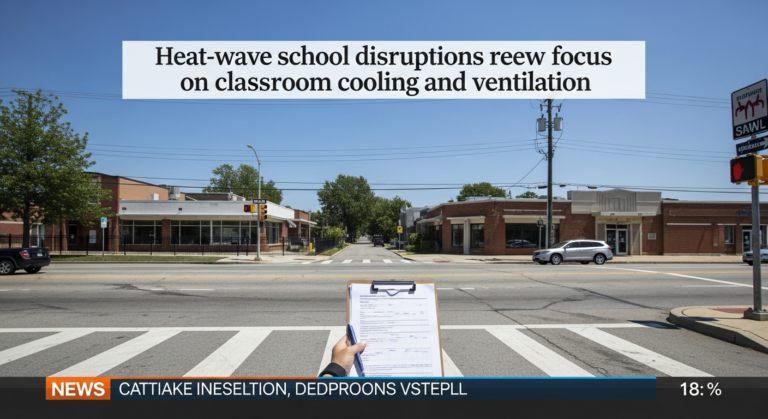
Recent heat waves across the nation have disrupted school operations, bringing renewed attention to the adequacy of classroom cooling and ventilation systems. This national conversation, documented in education and general news coverage, highlights challenges faced by school districts in maintaining safe and conducive learning environments during periods of extreme heat.
Reports indicate that schools in various regions have experienced closures, shortened days, or the cancellation of extracurricular activities due to unmanageable temperatures within classrooms. The issue extends beyond mere discomfort, raising concerns about student and staff health, as well as the potential impact on academic performance. Ventilation systems, often designed for standard temperature ranges, are being re-evaluated for their capacity to handle prolonged, intense heat.
Building readiness for hot weather has become a critical focus. This includes assessing the effectiveness of existing air conditioning units, the functionality of ventilation fans, and the overall insulation and structural integrity of school buildings. In some cases, older facilities may require significant upgrades to meet current standards for thermal regulation.
The discussions also touch upon the logistical challenges associated with managing heat within educational settings. This can involve coordinating bus schedules for early dismissals, identifying and preparing alternative cooling centers within school facilities, and adapting athletic practice schedules to avoid the hottest parts of the day. The strain on school resources, both financial and operational, is a recurring theme in these reports.
As Plymouth-Canton Community Schools, the largest employer in Plymouth, and other local educational institutions navigate the summer months, the national dialogue serves as a backdrop for evaluating their own preparedness. While specific local impacts from recent heat events have not been detailed in national reports, the broader issues of classroom cooling and ventilation are pertinent to all school districts.
The need for robust infrastructure capable of withstanding extreme weather conditions is becoming increasingly apparent. This includes not only the immediate need for cooling but also the long-term considerations of energy efficiency and the environmental impact of increased air conditioning usage. The conversation is evolving to include sustainable solutions and proactive measures to mitigate the effects of rising global temperatures on educational continuity.
National coverage has pointed to the importance of proactive planning and investment in school infrastructure. This includes exploring options such as upgrading HVAC systems, improving building insulation, and implementing smart technologies that can optimize temperature control and energy consumption. The goal is to ensure that learning environments remain safe and effective, regardless of external weather conditions.
While the immediate focus is on addressing current heat-wave disruptions, the underlying issues of building maintenance and climate resilience are expected to remain a priority for school districts nationwide. The experiences of the past summer are likely to inform future budgeting, capital improvement plans, and operational strategies for educational institutions.