As an intense heat dome settles over the region, Plymouth residents are advised to take proactive measures to ensure the safety and comfort of their homes, families, and pets. Public health officials emphasize that extreme heat poses significant risks, particularly to vulnerable populations, and requires careful planning.
One of the primary concerns during a heat dome is maintaining adequate indoor cooling. Residents should ensure their air conditioning systems are functioning properly and consider using fans to circulate air. Closing blinds and curtains during the hottest parts of the day can help keep interiors cooler. For those without air conditioning, identifying local cooling centers or public spaces with climate control is a crucial step.
Pet safety is another critical aspect of heat dome preparedness. Animals can be susceptible to heatstroke and dehydration. It is recommended to provide pets with ample fresh water and ensure they have access to cool, shaded areas. Outdoor activities with pets should be limited to cooler morning and evening hours, and surfaces like asphalt and concrete can become dangerously hot, potentially burning paws. Never leave pets unattended in vehicles, as temperatures inside can rise rapidly to lethal levels.
Outdoor chores and activities should be rescheduled to the cooler parts of the day, typically early morning or late evening. Strenuous physical activity in high temperatures can lead to heat exhaustion or heatstroke. Homeowners should also be mindful of their attics, which can become significantly hotter than ambient temperatures, potentially affecting insulation and creating uncomfortable living spaces. Regular checks of these areas can help identify any potential issues.
Vehicles pose a unique hazard during extreme heat. Beyond the danger of leaving pets or children inside, car interiors can reach dangerous temperatures quickly. It is advisable to park in shaded areas whenever possible and to be cautious when entering a vehicle that has been exposed to direct sunlight.
Developing backup plans for vulnerable residents is also a key recommendation. This includes checking on elderly neighbors, individuals with chronic health conditions, and young children who may be more susceptible to the effects of extreme heat. Establishing a communication system to ensure these individuals have access to cooling and hydration can be life-saving.
While the immediate focus is on immediate safety, understanding the long-term implications of such weather events for home maintenance and community resilience is also important. Plymouth, like many communities, is adapting to changing weather patterns, and preparedness is a shared responsibility.
Why it matters in Plymouth:
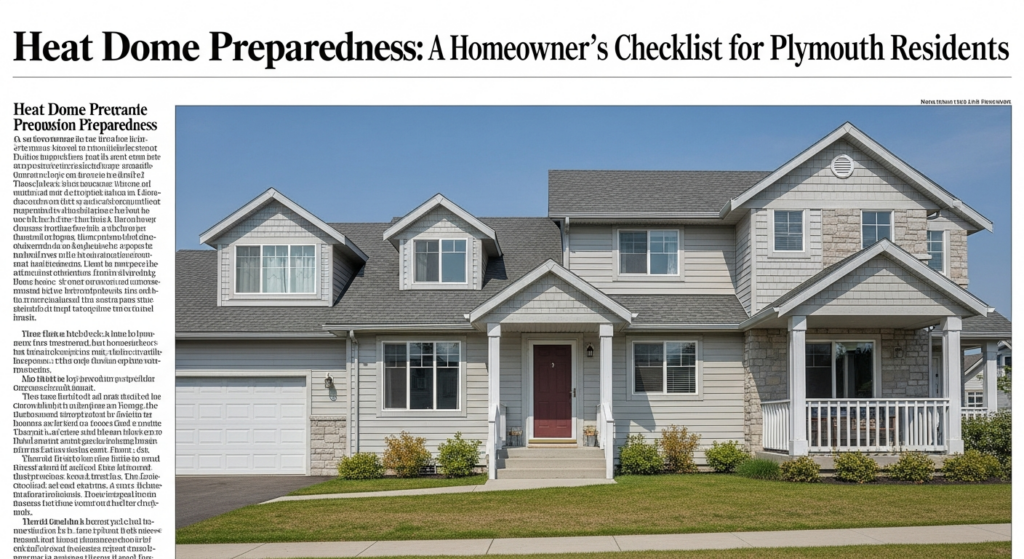
The sustained high temperatures associated with a heat dome present specific challenges for Plymouth residents. Ensuring that the infrastructure of homes, from cooling systems to attics, can withstand these conditions is paramount. For instance, the significant number of single-family homes in neighborhoods like Old Village and Elm Heights requires individual attention to cooling strategies. Furthermore, the presence of major employers such as Henry Ford Medical Center — Plymouth and Plymouth-Canton Community Schools means that community-wide awareness and preparedness plans are essential to protect the health and well-being of all residents, especially those who work or study in these facilities. Planning ahead can prevent heat-related emergencies and ensure the community remains safe and functional during extreme weather events.