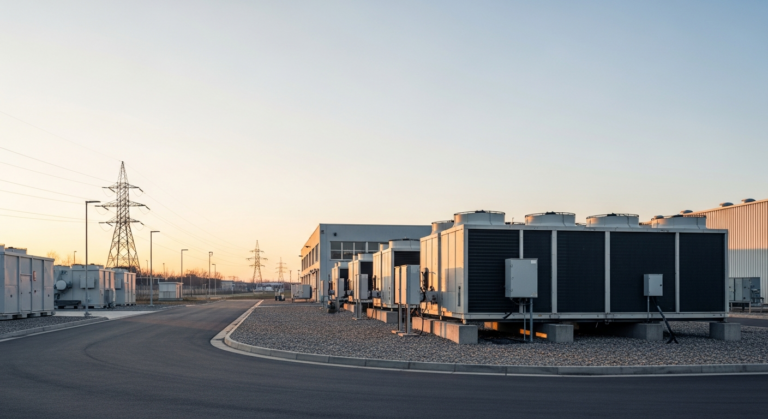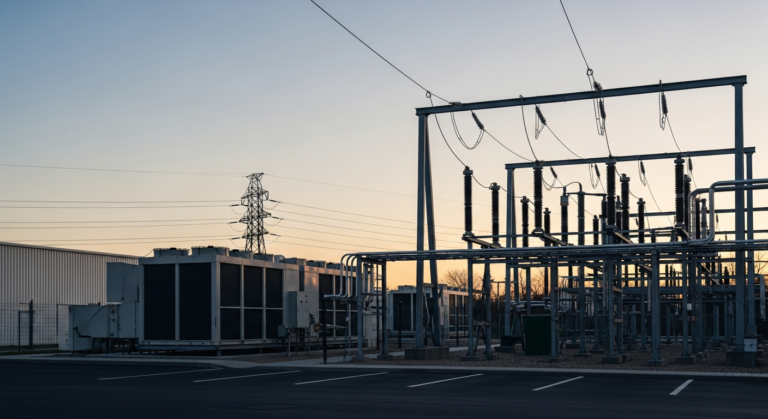
The relentless growth of artificial intelligence is driving unprecedented demand for electricity, creating a critical juncture for utility companies and local planning authorities. As AI data centers proliferate, their substantial power requirements are forcing a re-evaluation of grid capacity and influencing where these facilities can be sited, sparking broader debates about economic development and land use.
This surge in demand is not a distant projection but a present reality that energy providers are grappling with. The sheer volume of electricity required to power the complex computations and constant operations of AI data centers necessitates significant upgrades to existing power infrastructure. Utility companies are thus engaged in intensive planning to ensure the grid can meet this escalating need without compromising reliability for existing consumers.
The implications extend beyond the immediate energy supply. Grid capacity is emerging as a primary factor in the site selection process for new data centers. Companies seeking locations are increasingly constrained by areas with sufficient and reliable power access. This can lead to competition for suitable sites and potentially concentrate development in regions already well-equipped to handle the load, or conversely, spur investment in areas previously considered less developed.
Local economic development strategies are also being reshaped by this dynamic. While data centers can represent significant investments and job creation, their siting is now inextricably linked to power availability. Municipalities and regional development agencies must balance the potential economic benefits against the infrastructure challenges and the impact on local power resources. This requires a nuanced approach that considers not only the immediate financial gains but also the long-term sustainability of energy supply and the potential strain on local grids.
Discussions around zoning, land use, and ratepayer impact are becoming more prominent as communities navigate the complexities of accommodating these energy-intensive facilities. The decisions made today regarding power infrastructure and data center development will have lasting consequences for the economic landscape and energy future of regions. The challenge lies in fostering technological advancement while ensuring that the foundational energy needs are met responsibly and sustainably, a balancing act that is becoming increasingly critical for communities across the nation and in the Plymouth area.