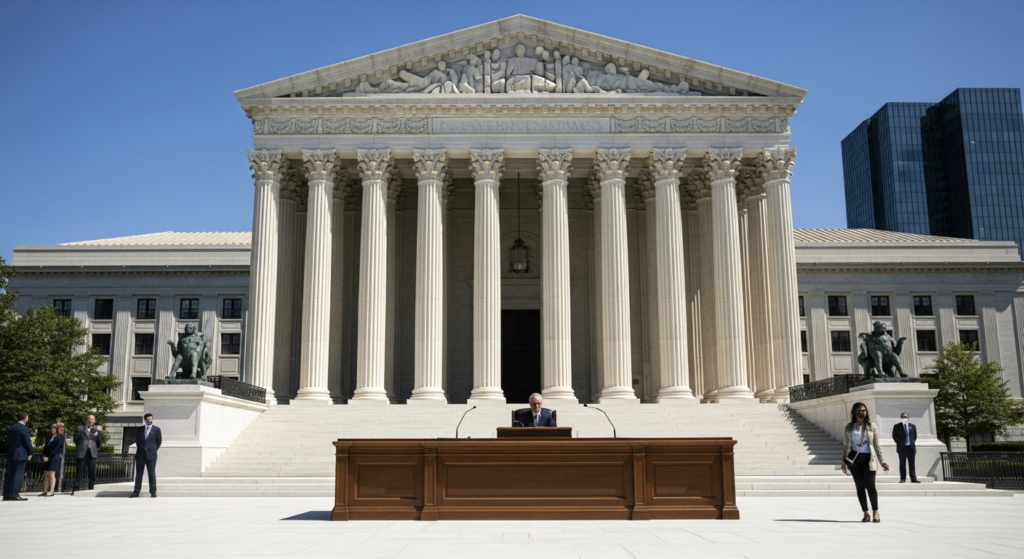
The U.S. Supreme Court’s upcoming term is set to address several high-profile cases with potentially far-reaching implications, including disputes over the regulation of assault-style rifles, the intricacies of voter-registration rules, and complex questions at the intersection of LGBT rights and religious freedom. The docket also includes challenges to immigration detention procedures.
The cases have been routed through political and judicial review processes due to their involvement with election laws, constitutional claims, and federal government litigation. These matters often involve deep societal divisions and legal interpretations that can shape national policy for years to come.
Among the anticipated cases are challenges to state and federal laws that restrict the sale or possession of certain semi-automatic firearms, often referred to as assault-style rifles. These cases will likely examine the scope of Second Amendment rights in relation to public safety concerns and the definition of what constitutes a constitutionally permissible regulation.
Another significant area of focus will be voter registration. The court is expected to review cases concerning the legality and implementation of various voter-registration requirements, which could impact how citizens access the ballot and how election processes are administered across the country. These cases often hinge on interpretations of voting rights statutes and constitutional protections.
Furthermore, the court’s docket includes disputes that probe the balance between religious freedom protections and the rights of LGBT individuals. These cases typically involve claims by individuals or organizations seeking exemptions from laws or regulations that they argue conflict with their religious beliefs, particularly concerning services or accommodations related to same-sex marriage or other LGBT-related issues.
The inclusion of immigration detention procedures suggests the court will also grapple with aspects of federal enforcement and due process within the immigration system. These cases can address the conditions, duration, and legal standards governing the detention of non-citizens.
Legal analysts note that the Supreme Court’s decisions in these areas can have profound effects on federal law, state regulations, and the daily lives of citizens. The outcomes are closely watched by policymakers, advocacy groups, and the public alike, as they often set precedents that influence future legal and legislative actions nationwide.
While the court’s decisions are anticipated, predicting specific outcomes remains challenging. The legal arguments presented and the justices’ interpretations of constitutional principles and statutory language will ultimately shape the rulings. The court’s work in the upcoming term is expected to be a significant indicator of its approach to some of the most pressing legal and social issues facing the nation.