
Plymouth MI – February 22, 2026 | By Landon Hayes
WHAT’S HAPPENING
Q: What risks do young trees face in Plymouth MI during winter?
Young trees in Plymouth MI are at risk for sunscald and frost damage due to fluctuating temperatures in late winter.
Q: When should homeowners protect their trees?
Homeowners are advised to implement protective measures in late winter and early spring 2026, as temperatures can shift unpredictably.
Q: Where can residents get assistance for tree protection?
Kabodian Tree Co offers professional guidance for tree wrapping and health evaluation services in Plymouth MI.
Q: Why is hydration important for trees in winter?
Adequate hydration helps young trees maintain moisture and resilience against winter stresses, with deep watering recommended on warmer days.
Q: What mulch is best for protecting young trees?
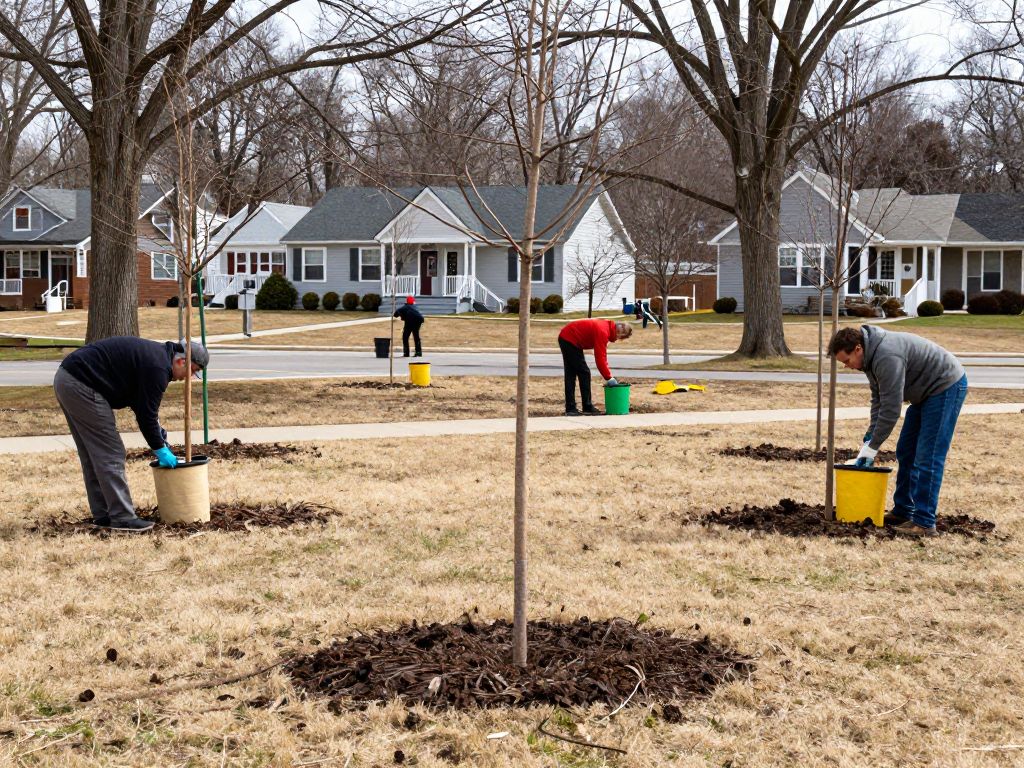
Organic mulch spread around the tree’s base regulates soil temperature, conserves moisture, and protects against frost with proper application several inches from the trunk.
As late winter transitions into early spring, Plymouth residents with newly planted or sensitive young trees are advised to take proactive measures against common cold-weather threats such as sunscald and frost damage. Unpredictable temperature shifts during this period can severely impact a tree’s health and long-term viability.
Sudden temperature fluctuations, characteristic of late winter and early spring in Michigan, pose a particular risk to the tender bark of younger trees. Sunscald, a prevalent issue, arises when the dark bark absorbs significant heat on bright, sunny winter afternoons, followed by a rapid drop to freezing temperatures overnight. This quick heating and cooling cycle can cause the outer layers of the trunk to expand and contract too quickly, leading to vertical cracks and exposed inner tissues.
Essential Protection Strategies
Implementing protective strategies now can mitigate potential harm. One effective method involves carefully applying protective tree wraps to the trunks of vulnerable specimens. These wraps should extend from the soil line upwards to the lowest main branches, providing a crucial barrier against direct sun exposure and insulating the bark from extreme temperature swings.
Beyond physical shielding, maintaining adequate hydration is vital, even in cooler months. On days when temperatures rise above freezing, providing a deep, slow watering around the base of the tree can help prevent desiccation, as roots continue to require moisture throughout the dormant season. Ensuring the soil holds sufficient water improves the tree’s resilience against environmental stresses.
Mulch and Professional Assessment
A fresh layer of organic mulch spread around the tree’s drip line offers additional benefits. This layer helps regulate soil temperature, conserves moisture, and provides a barrier against frost heave. It is important to keep the mulch a few inches away from the trunk itself to prevent moisture retention against the bark, which could encourage disease or pest activity. For those needing assistance with tree wrapping, winter health evaluations, or addressing any existing damage, Kabodian Tree Co. offers professional guidance and services to ensure the longevity of your landscape trees.
Early identification and intervention are key to safeguarding young trees through the challenging transition period from winter to spring, preventing irreversible damage that could compromise their growth and structural integrity in the coming years.
| Advisory | Protecting young trees from sunscald and late frost damage. |
| Date/Season | Late Winter and Early Spring 2026 (Ongoing) |
| Location | Plymouth, Michigan |
| Sponsor/Expert | Kabodian Tree Co |
This article is presented in partnership with Kabodian Tree Co. Serving Plymouth and surrounding areas with expert tree care and emergency services. Visit kabodiantreeco.com or call 734-892-8854 for a free estimate.
HERE Resources

Author: Landon Hayes
Local Heritage Reporter | HERE Plymouth