
News Summary
A recent summit in Washington, D.C., organized by the National Comprehensive Cancer Network aimed to address the pressing cancer crisis faced by veterans and first responders. The gathering highlighted the unique challenges these heroes encounter, including exposure to harmful toxins and the need for tailored healthcare solutions. Experts discussed the importance of collaboration between various stakeholders to ensure that veterans receive the essential support and timely care they deserve. The event was a significant step toward improving cancer care outcomes for those who have served our country.
Our Heroes Deserve Better: Major Summit Tackles Cancer Crisis for Veterans and First Responders!
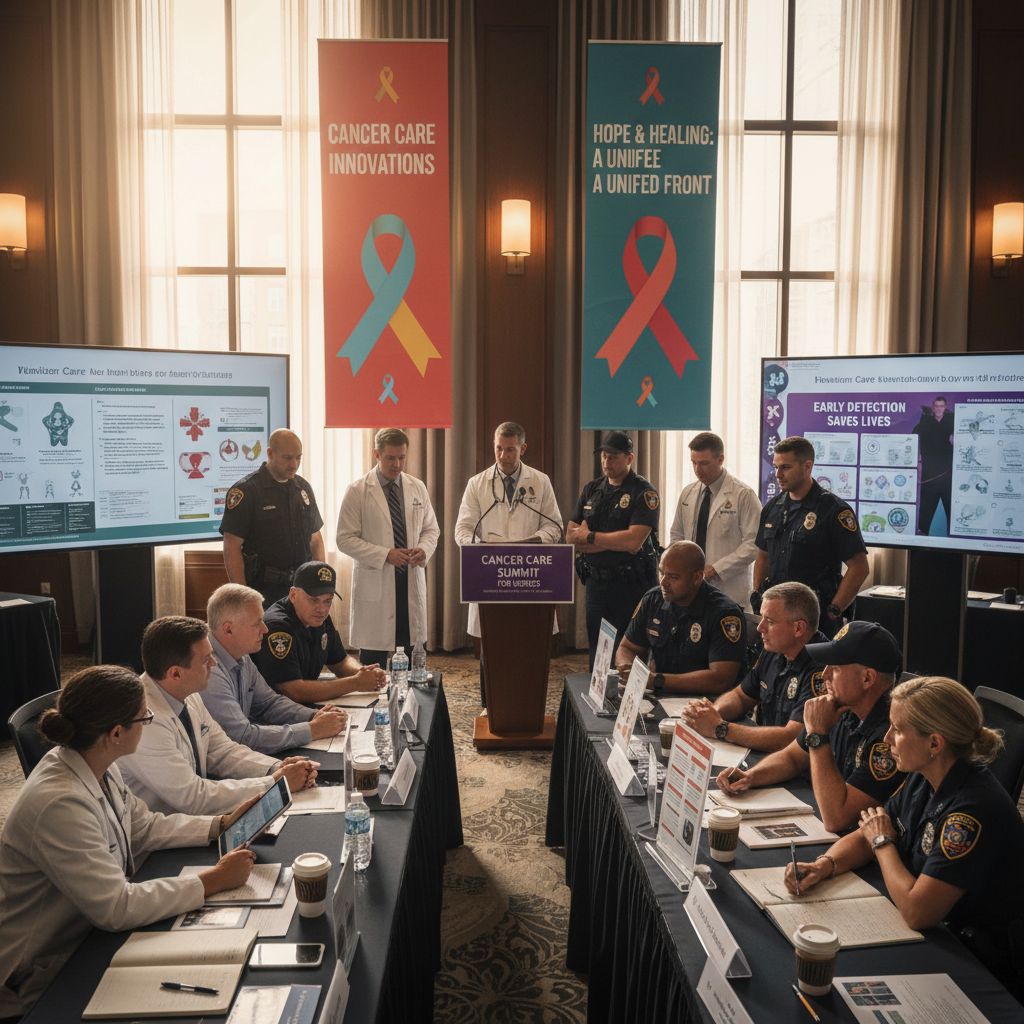
Washington, D.C. recently hosted a groundbreaking gathering focused on a deeply important issue: the health of our veterans and first responders. These brave individuals, who put their lives on the line for us every day, often face a silent enemy: cancer, brought on by their heroic duties. A special summit, organized by the National Comprehensive Cancer Network (NCCN), brought together a diverse group of passionate people to shine a light on this problem and find urgent solutions. They met on Tuesday, December 9, 2025, to discuss how we can better support those who have served and protected our communities across the nation.
This wasn’t just another meeting; it was a powerful call to action for improved support systems, specialized medical care, and smarter policies to help these heroes. From patients themselves to healthcare professionals and lawmakers, everyone came together to talk about ways to reduce cancer risks and make the journey to recovery easier for these amazing people. The NCCN Patient Advocacy Summit emphasized the urgent need to address the heightened risk of cancer and the unique care challenges faced by these individuals due to their line-of-duty exposure.
Understanding the Unique and Difficult Challenges
It’s a harsh truth that our veterans and emergency responders are at a higher risk for certain types of cancer. Think about it: they’re exposed to all sorts of dangerous chemicals and toxins in combat zones or at accident sites, not to mention the incredible stress and other environmental factors they endure during prolonged periods. The summit really emphasized that these frontline personnel often hit major roadblocks when trying to get a quick diagnosis and the right treatment. Sometimes, they simply don’t have enough governmental support, or they aren’t aware of programs that could help them. Plus, there are those tough workplace cultures that might make someone hesitant to report symptoms early on, adding another layer of difficulty.
Imagine facing a serious illness and then having to jump through countless hoops just to get help! This can mean frustrating delays in getting the crucial care they need, affecting their health outcomes across the entire country. Discussions at the summit also highlighted the complexities around understanding medical information, often referred to as health literacy. This means some patients might struggle to fully grasp their diagnoses or treatment options. Another central issue discussed was presumptive coverage—that’s when a condition is automatically assumed to be related to their service for benefit purposes. These seemingly technical terms actually represent huge administrative hurdles that can slow down or even stop our heroes from getting the vital, timely care they deserve, impacting their outcomes nationwide.
Seeking Real Solutions and Smart Policy Approaches
But it’s not all doom and gloom! The experts at the NCCN summit were absolutely clear: we need both practical, everyday solutions and big-picture, policy-level changes to tackle these complicated problems. A top priority? Finding ways to minimize cancer risks through better preventative measures and clever early detection strategies. These strategies need to be custom-made for the unique exposures and challenges veterans and first responders face in their demanding roles. There was also a strong focus on making sure all their care is well-coordinated, ensuring these individuals receive comprehensive, multidisciplinary treatment that truly understands their specific needs and circumstances. Think of it as a tailored healthcare plan just for them, designed to address every aspect of their unique situation.
The summit also explored how special clinical practice guidelines, such as those developed by NCCN, can be incredibly helpful. These guidelines offer clear, evidence-based, expert-backed advice for treating cancer, preventing it, and providing supportive services. They’re basically a gold standard for clinical direction and policy in cancer management. By sharing and adapting these guidelines, medical professionals can navigate tricky cases better and make sure everyone gets access to the absolute best, cutting-edge care no matter where they are in the country. This means more lives saved and better quality of life for those who’ve sacrificed so much for our safety and freedom across the nation.
The Power of Advocacy and Working Together
A huge part of the summit was all about patient power. It highlighted how important it is to arm veterans and first responders with information and unwavering support throughout their cancer journey. Advocates shared amazing insights into existing assistance programs and talked about how to make sure everyone understands their health options, enabling patients and their families to make truly informed decisions about their care. This isn’t something one group can fix alone. The summit made it clear that teamwork is key!
Collaboration among various stakeholders—including government agencies, healthcare systems, patient advocacy groups, and even research institutions—was identified as absolutely essential to drive meaningful change. By working hand-in-hand, these different groups can build robust support networks, streamline access to benefits, and champion policy reforms that truly prioritize the health and happiness of those affected by line-of-duty cancer exposure across the nation. The NCCN, which is a not-for-profit alliance of 33 leading cancer centers in the United States, is actively working to ensure cancer care is quality, effective, fair, and easy to get for all people. Their ongoing efforts, including crucial gatherings like this summit, are all about improving outcomes and lessening the burden of cancer nationwide.
Ultimately, this NCCN Patient Advocacy Summit was a monumental step forward. It was a powerful acknowledgment and a proactive approach to addressing the very specific cancer care needs of our veterans and first responders, solidifying a deep commitment to giving them the comprehensive and compassionate treatment they so rightly deserve.
Deeper Dive: News & Info About This Topic
HERE Resources
Mendon Community Mourning Esteemed Veterans and Family Members