
Plymouth MI – February 22, 2026 | By Ellis Grant
WHAT’S HAPPENING
What tree issues should Plymouth residents look for during inspections?
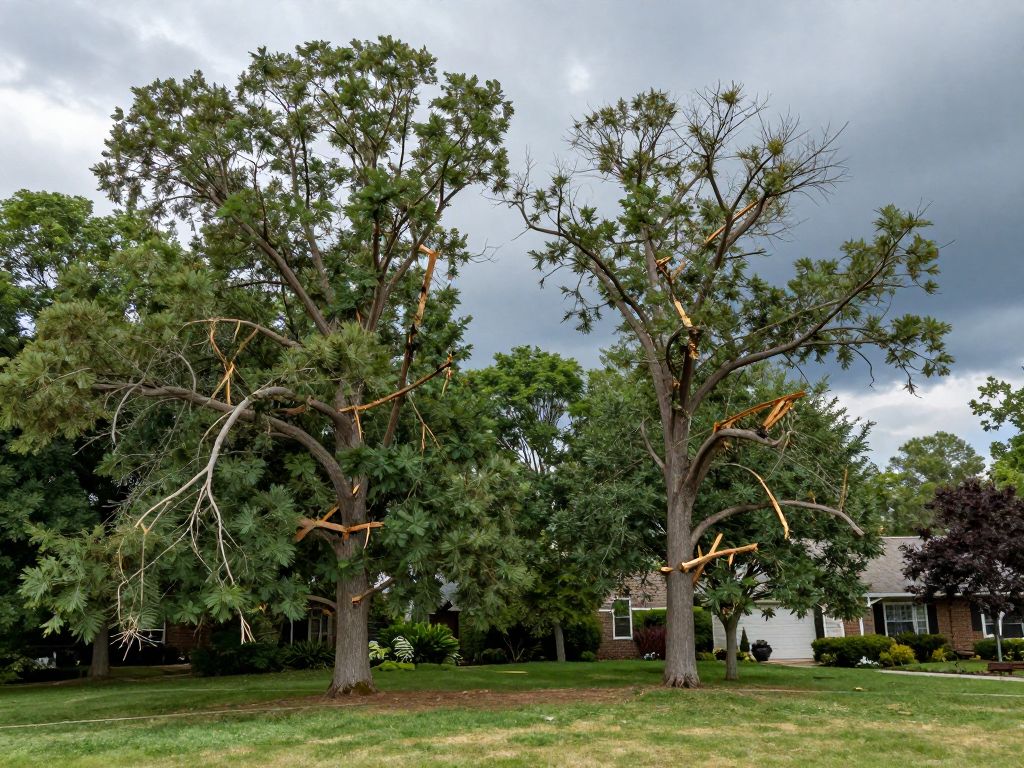
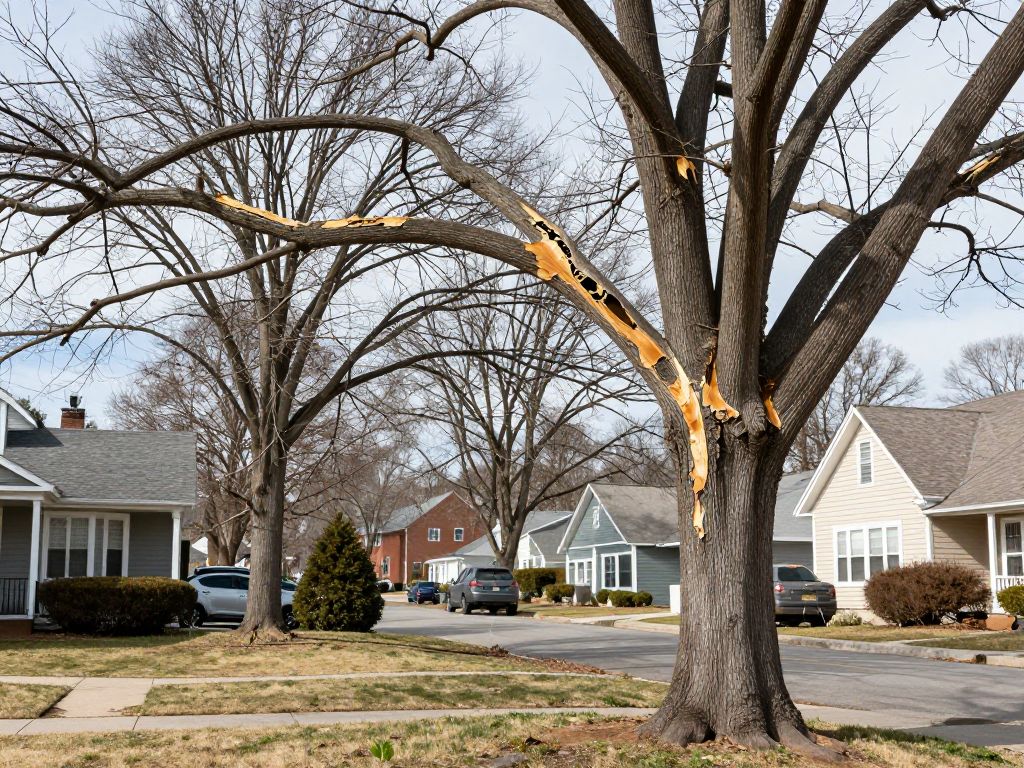
Plymouth property owners should look for cracks, splits, and peeling bark on their trees, especially those appearing in upper canopies.
When is the best time to inspect trees for freeze-thaw damage?
Inspections should occur late February through early March, as temperatures fluctuate during this period, causing potential damage.
Where can Plymouth residents get professional tree assessments?
Kabodian Tree Co. offers structural assessments in Plymouth. Homeowners can call 734-892-8854 to schedule an evaluation.
Why is freeze-thaw damage a concern for local trees?
Repeated freeze-thaw cycles weaken tree structure, making them susceptible to limb failure during spring storms and high winds.
What are the consequences of neglecting tree inspections?
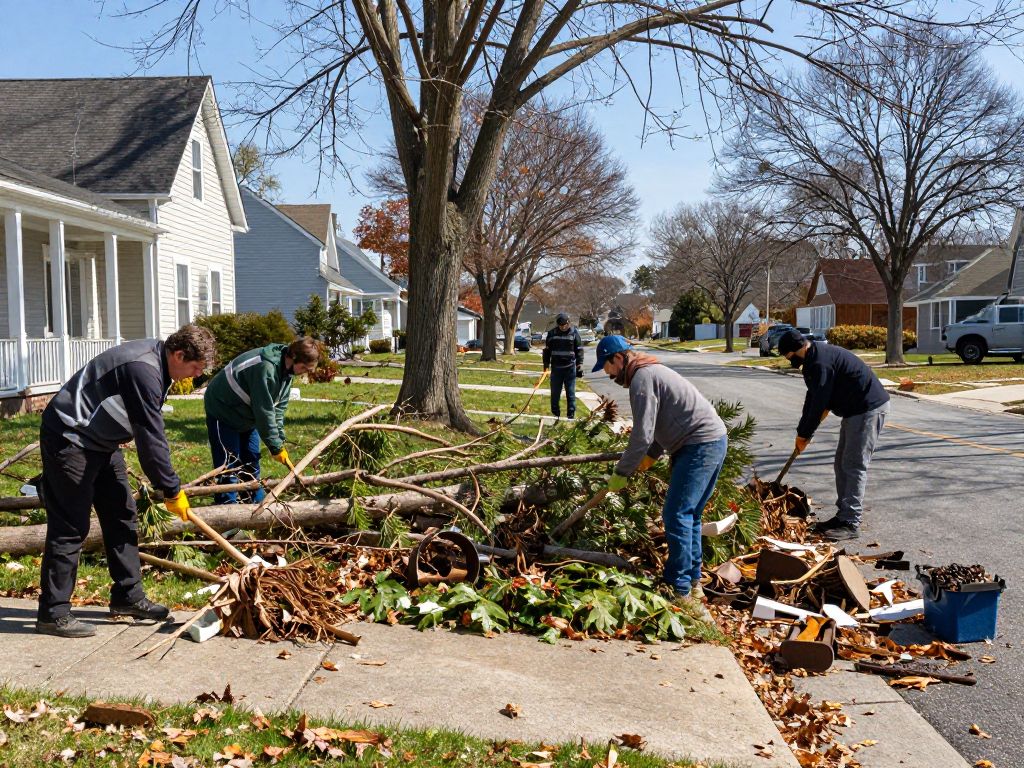
Failing to assess trees for damage may lead to sudden limb failures and property damage during severe weather, risking public safety.
Residents of Plymouth should be aware of the significant impact that repeated freeze-thaw cycles can have on the structural integrity of local trees, especially as late winter transitions into early spring. Understanding how these temperature fluctuations compromise wood is essential for proactive maintenance.
Late February through early March brings fluctuating temperatures to Southeast Michigan, creating conditions where water repeatedly freezes and thaws within the existing fissures and cracks of tree limbs. This cyclical expansion and contraction gradually weakens wood fibers, making trees more susceptible to damage during subsequent high winds or heavy rainfall.
Identifying Weaknesses in Tree Structure
Property owners should visually inspect their trees for specific indicators of compromised structural soundness. Look for visible cracks that extend into the trunk or larger branches, or splits appearing along the length of limbs. Peeling bark in unusual patterns can also signal internal decay or structural distress.
Furthermore, observe the tree’s canopy for branches that appear discolored or are visibly dying, particularly those located at the top. These symptoms can point to deeper underlying issues caused by biomechanical stressors from the freeze-thaw process. Early recognition of these signs is critical for mitigating the risk of future limb failure.
Homeowners can schedule a thorough structural assessment with Kabodian Tree Co. to identify these vulnerabilities and ensure tree health for the spring. Prompt identification and addressing of these weaknesses helps prevent unforeseen damage to property and ensures public safety as warmer weather approaches.
| Advisory: | Understanding freeze-thaw cycle impact on tree structural integrity |
| Date/Season: | Late February – Early March 2026 |
| Location: | Plymouth, MI |
| Sponsor/Expert: | Kabodian Tree Co |
This article is presented in partnership with Kabodian Tree Co. Serving Plymouth and surrounding areas with expert tree care and emergency services. Visit kabodiantreeco.com or call 734-892-8854 for a free estimate.
HERE Resources
Plymouth Residents Urged to Assess and Prune Trees for Spring Storm Resilience
Plymouth Homeowners Urged to Assess Trees Ahead of Spring Storm Season
Plymouth Homeowners Urged to Inspect Dormant Trees for Early Signs of Trouble This February
Plymouth Residents Urged to Address Hazardous Trees Before Spring Growth

Author: Ellis Grant
Disaster Preparedness Specialist | HERE Plymouth