

How to Remodel a Basement: Step-by-Step Guide to Transforming Your Space
Basements often serve as underutilized areas in homes, relegated to storage or laundry purposes. However, transforming this space can add valuable square footage, enhance property value, and create functional living areas. This article outlines a comprehensive step-by-step guide on how to remodel a basement, ensuring that the transition is seamless and effective.
1. Assessing the Current Space
Evaluate Structural Integrity
Begin with a thorough inspection of the basement. Look for any signs of water damage, cracks, or mold. Addressing structural issues upfront is crucial before diving into decorative changes.
Check for Code Compliance
Familiarize yourself with local building codes. These regulations often dictate how many egress windows are required or the necessary ceiling height. Understanding these requirements early on can save time and ensure compliance.
2. Create a Design Plan
Determine Purpose
Decide what you want to use the remodeled basement for. Common options include a family room, a home office, a gym, or an entertainment space. This decision will guide your design choices.
Layout and Floor Plan
Sketch a floor plan, including where to place walls, windows, and doors. Consider how the layout will affect traffic flow and functionality. Make sure to factor in any existing features, such as support beams and utilities.
3. Budgeting for Your Project
Estimate Costs
Compile a budget that includes materials, labor, permits, and contingency funds. On average, basement remodels range from $20,000 to $50,000, but costs can vary significantly based on design and location.
Hiring Professionals vs. DIY
Decide whether to handle the remodel yourself or hire professionals. While DIY can save money, expertise may be required for structural changes, electrical, and plumbing work.
4. Obtaining Permits
Local Regulations and Permits
Contact your local municipality to determine what permits are needed for your remodel. Projects involving plumbing, electrical work, or structural changes typically require inspections and permits. Failing to obtain necessary permits can lead to fines and complications when selling your home.
5. Preparing the Space
Clearing the Area
Remove any furniture and personal items from the basement. Next, clean the space thoroughly. This may also involve removing old flooring or walls if they are being replaced.
Addressing Water and Humidity Issues
If your basement has moisture problems, consider installing a sump pump or dehumidifier. Proper waterproofing is essential for any basement remodel to prevent future issues.
6. Framing and Insulation
Framing Walls
Once the space is prepped, begin framing the interior walls. Use pressure-treated wood for the bottom plates to resist moisture. Ensure walls are straight and square before attaching drywall.
Insulation
Insulate the walls to improve energy efficiency and comfort. Use foam board insulation or fiberglass batts to create a thermal barrier. Don’t neglect the ceiling; insulated ceilings help with noise reduction as well.
7. Electrical and Plumbing Installations
Wiring for Electrical Systems
Plan your electrical layout based on your intended use of the space. Include outlets, lighting fixtures, and any additional features like surround sound. Hiring a licensed electrician for this part of the process is encouraged.
Plumbing Considerations
If your renovation includes adding a bathroom or wet bar, be sure to plan the plumbing layout. This may involve consulting a plumber to ensure proper installation.
8. Drywall and Finishing Touches
Installing Drywall
Once framing and insulation are complete, hang drywall. Use moisture-resistant drywall in areas prone to dampness. Tape and mud the seams, then sand to a smooth finish.
Painting and Finishing
Choose colors that reflect light and create an inviting atmosphere. Lighter hues tend to make basements feel larger and more open. Finish with trim and other details like molding for a polished look.
9. Flooring Options
Selecting the Right Flooring
When choosing flooring for your basement, consider moisture resistance. Options include vinyl, tile, and carpet designed for lower areas. Each type has its pros and cons—consider comfort, durability, and aesthetics.
Installation
Follow the manufacturer’s recommendations for installation. If you are using floating floors, ensure the subfloor is level and free from moisture before laying down materials.
10. Adding the Final Touches
Furnishing and Decor
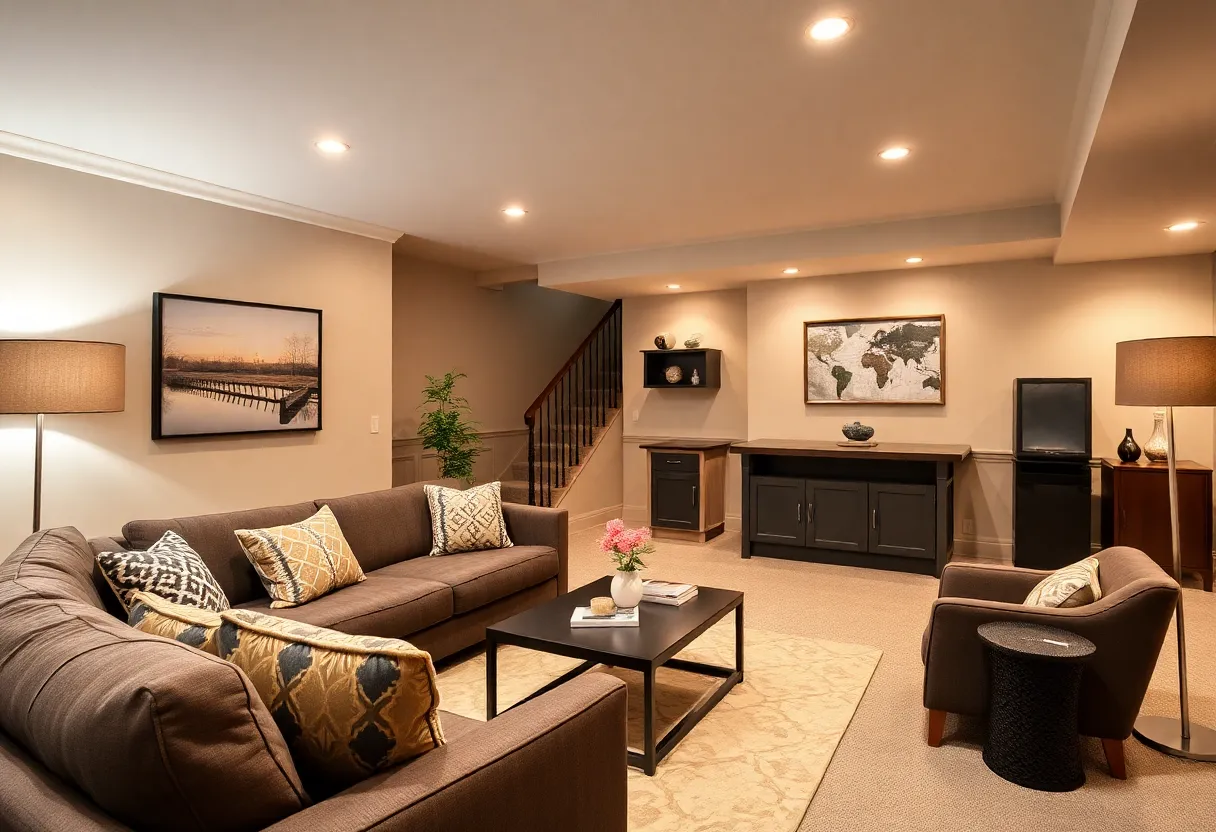
Once construction is complete, furnish your new space. Choose furniture that complements the function, such as sofas and tables for a living area. Don’t forget to add decorative elements to personalize the space.
Lighting Considerations
Invest in layered lighting. Use ambient lighting for general illumination, task lighting for work areas, and accent lighting to highlight décor. This creates a comfortable environment for various activities.
11. Inspect and Maintain
Final Inspections
Conduct a final walkthrough to ensure everything meets your expectations. If applicable, have a building inspector review the work. Make any necessary adjustments to comply with local regulations.
Regular Maintenance
After completing your basement remodel, schedule regular maintenance checks. Inspect for any signs of leaks or damage. Keeping an eye on your space will help prolong its life and functionality.
Conclusion
Remodeling a basement can be a significant undertaking, but with careful planning and execution, it can lead to a transformed space that enhances both your home’s value and the quality of your living experience. By following this step-by-step guide on how to remodel a basement, you can create a welcoming area that meets your needs and complements your lifestyle.