
News Summary
The Trump administration’s proposal to cut $700 million from CDC funding for HIV prevention has raised alarm among health advocates and organizations. Many free clinics, such as the Aliveness Project and Indigenous Peoples Task Force, fear that their vital services will be jeopardized, potentially leading to a resurgence of HIV infections. With Minnesota witnessing a 24% increase in new diagnoses this year, the implications of reduced funding could be dire for communities relying on these essential services.
Trump Administration’s Proposed Funding Cuts Spark Concern for HIV Prevention Initiatives
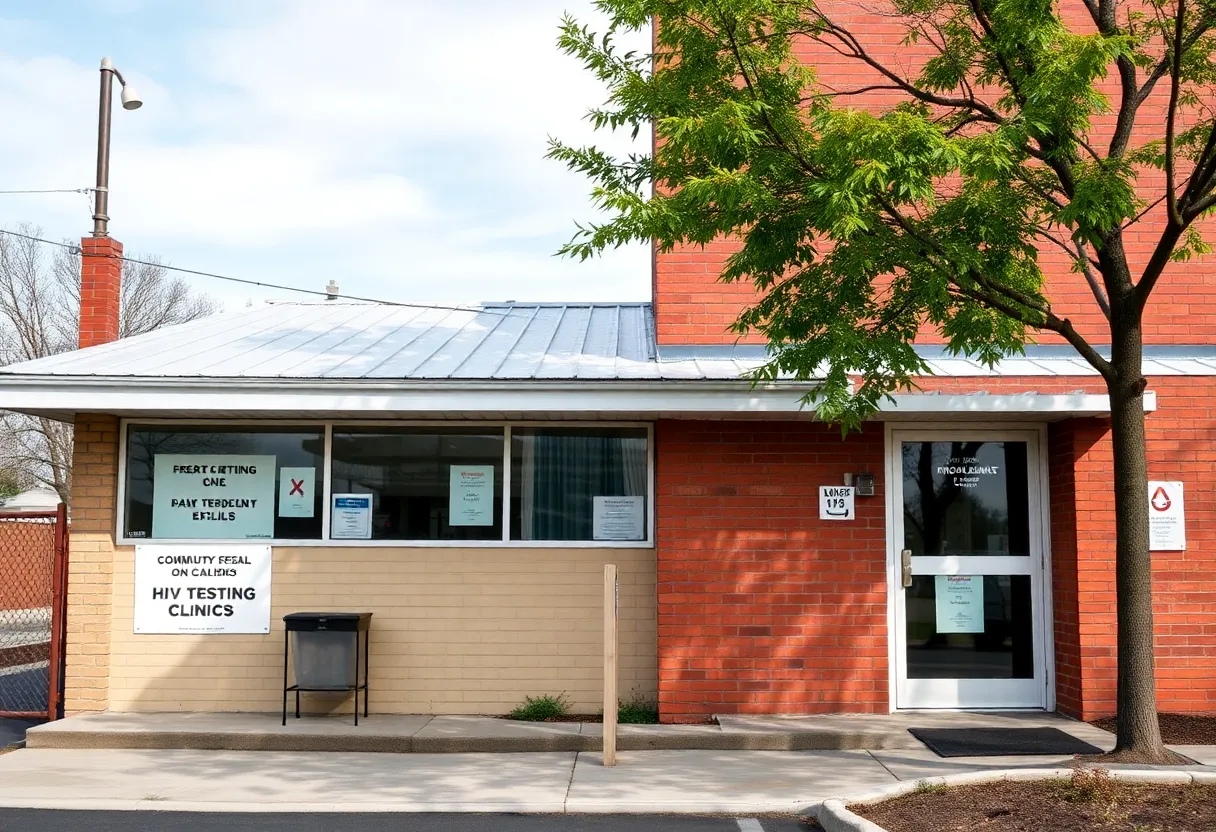
In a move that many are calling alarming, the Trump administration has put forth a proposal to cut a whopping $700 million from the funding dedicated to HIV prevention through the Centers for Disease Control and Prevention (CDC). This decision stands to jeopardize free clinics across the country, like the beloved Aliveness Project and the Indigenous Peoples Task Force, both of which provide vital services to their communities.
For many individuals, access to free testing and preventive care is crucial. Take, for instance, Adrianne Jackson, a 39-year-old who regularly tests for HIV. She has benefitted immensely from the free testing provided at clinics like the Aliveness Project, which is at risk of losing significant funding. The ramifications of these cuts would ripple through the network of hundreds of clinics and organizations nationwide that are tirelessly working to combat HIV.
The impact of previous funding cuts is already evident. Last year, two organizations in Minnesota, specifically Rainbow Health and the African American AIDS Task Force, shuttered their doors, partly due to reductions in state funding. As a direct result, the Aliveness Project has found itself taking over case management for many clients who were left without support.
The Aliveness Project has served its community for an impressive 40 years, providing not just free testing but also essential case management, food, housing support, and low-cost medications for individuals living with HIV. Interestingly, the organization had seen its budget more than double compared to the previous year, boosted by increased funding, including a remarkable $2 million grant from local city sources. Meanwhile, the Minnesota Department of Human Services, known as the project’s largest funding source, has provided additional support specifically aimed at enhancing case management and benefits counseling.
The Aliveness Project currently receives nearly $700,000 annually from the CDC for its HIV prevention efforts, which heavily rely on free testing services. According to the director of development at the organization, any cuts from the CDC would completely disrupt their entire prevention program, leaving many vulnerable individuals without the necessary resources.
Health advocates argue that investing in prevention services is not only cost-effective but absolutely essential in curbing the spread of HIV. Each individual living with the virus can incur lifetime medical costs in excess of $500,000. In Minnesota, nearly 10,000 residents are diagnosed with HIV, with about 1,100 unaware of their status. Alarmingly, new infections in the state have surged by 24% in 2023, marking the highest increase observed in over a decade, with nonwhite communities bearing the brunt of this alarming trend.
Meanwhile, the Indigenous Peoples Task Force is approaching the end of its five-year CDC contract, which gives them $441,000 annually to focus on HIV prevention among Native American adults using intravenous drugs. The prospect of funding cuts presents a serious threat to the significant strides made in their community, raising concerns of potential outbreaks of HIV.
Local government officials have echoed these worries, as recent statements indicate that cuts might not only impact HIV services but essential city services like emergency management and affordable housing. The potential financial cuts have rekindled fears of a return to previous HIV outbreaks in the region, reminiscent of troubles encountered in 2020 and 2021.
As this situation unfolds, alarms are ringing among health advocates and nonprofit organizations that recognize the necessity of strong funding for HIV prevention. The potential shifts in funding could drastically change the landscape of care and support for those affected by HIV, both locally and nationally. It is a delicate crisis that warrants attention, compassion, and decisive action.
Deeper Dive: News & Info About This Topic
HERE Resources
Additional Resources
- Star Tribune: Minneapolis Nonprofits Say Federal Funding Cuts Could Hurt HIV Prevention Work
- MedlinePlus: Health Information
- POZ: Two HIV Service Providers Close in Minneapolis
- Encyclopedia Britannica: HIV
- MSP Magazine: Open Arms Announces Cutbacks Due to Funding Issues